
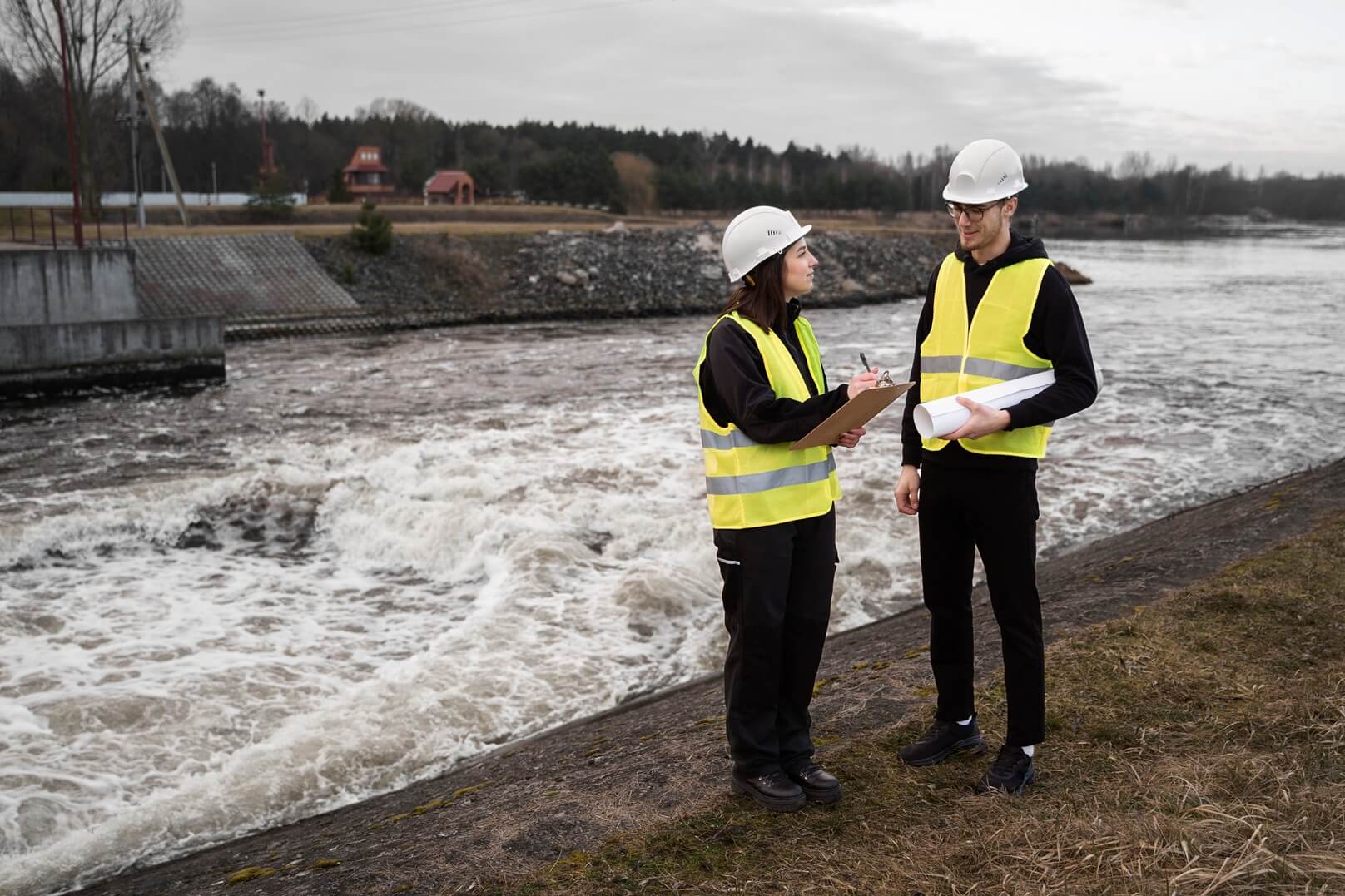
Water is one of those things we rarely think about until it is either scarce or overwhelming. It flows quietly through our daily routines, yet it holds the power to shape civilizations, economies, and ecosystems. For engineers from the best private college for engineering in Jaipur, water is not just a resource. It is a system to be understood, managed, and protected. This is where water resource engineering steps in, acting as both a guardian and a planner for one of Earth’s most essential elements.
What is Water Resource Engineering?
At its core, water resource engineering focuses on the planning, development, and management of water systems. It involves designing infrastructure like dams, canals, pipelines, and drainage systems while also addressing environmental concerns such as conservation and pollution control.
But it goes beyond physical structures. It is about understanding how water moves through natural cycles and human systems. It blends hydrology, environmental science, and civil engineering into a discipline that is as dynamic as the water it studies.
Why It Matters More Than Ever
With growing populations, urban expansion, and climate change, water challenges are becoming more complex. Some regions face droughts that stretch for years, while others deal with sudden floods that disrupt entire communities.
This is where sustainable development enters the conversation. Sustainable development is about meeting present needs without compromising future generations. Water resource engineering plays a central role in making this possible.
Think about it. Clean drinking water, agricultural productivity, industrial processes, and even energy generation all depend on effective water management. Without it, sustainability is just an ideal without a foundation.
Key Contributions to Sustainable Development
Water resource engineering supports sustainability in several meaningful ways:
- Efficient Water Management
Engineers design systems that reduce water wastage. Smart irrigation techniques, leak detection systems, and optimized distribution networks ensure that every drop is used wisely. - Flood Control and Risk Management
Floods can devastate communities. Through proper planning, engineers create flood barriers, reservoirs, and drainage systems that protect lives and infrastructure. - Water Quality Improvement
Treatment plants and filtration systems ensure that water is safe for consumption. Engineers also work on reducing industrial pollution and improving wastewater management. - Groundwater Conservation
Over-extraction of groundwater is a growing concern. Recharge systems and sustainable withdrawal practices help maintain this hidden yet critical resource. - Support for Agriculture
Agriculture consumes a significant portion of available water. Efficient irrigation methods like drip and sprinkler systems help farmers grow more with less water.
Each of these contributions may seem technical, but together they form a safety net that supports both people and the planet.
The Environmental Connection
Water resource engineering is deeply tied to environmental protection. Rivers, lakes, and wetlands are not just water bodies. They are living ecosystems.
When engineers design projects, they must consider ecological balance. For example, building a dam might provide water storage and electricity, but it can also disrupt aquatic life and local communities. Sustainable solutions aim to strike a balance between development and conservation.
In many modern projects, engineers are now adopting nature-based solutions. Instead of only relying on concrete structures, they incorporate natural systems like wetlands for water purification or green spaces for flood absorption. It is a shift from controlling nature to working with it.
Challenges in the Field
Despite its importance, water resource engineering faces several challenges:
- Climate change is altering rainfall patterns, making predictions less reliable
- Rapid urbanization increases water demand and strain on infrastructure
- Pollution from industries and households contaminates water sources
- Unequal distribution leads to water scarcity in some regions while others have excess
These challenges demand innovative thinking. Traditional methods alone are no longer enough.
The Role of Technology
Technology is transforming how engineers approach water management. Tools like remote sensing, data analytics, and simulation models help predict water behavior more accurately.
For instance, smart water systems can monitor usage in real time and detect inefficiencies instantly. Geographic Information Systems (GIS) allow engineers to map water resources and plan better infrastructure.
Artificial intelligence is also stepping into the field, helping optimize water distribution and forecast demand patterns. It is like giving water systems a kind of digital awareness.
Career Opportunities for Engineering Students
For students, water resource engineering offers a wide range of career paths. It is a field that combines technical expertise with real-world impact.
You could work in:
- Government agencies managing public water systems
- Environmental organizations focusing on conservation
- Private firms designing infrastructure projects
- Research institutions developing innovative solutions
It is also a field where your work directly affects communities. Few engineering roles offer that level of tangible impact.
Looking Ahead
The future of water resource engineering is both challenging and exciting. As global water issues intensify, the demand for skilled engineers will continue to grow.
But beyond demand, there is purpose. This field is not just about solving equations or designing systems. It is about ensuring that future generations have access to clean, reliable water.
Final Thoughts
Water has a quiet persistence. It shapes landscapes over time, adapts to obstacles, and sustains life in ways we often overlook. Water resource engineering mirrors this persistence. It requires patience, precision, and a deep sense of responsibility.
For engineering students from the top engineering college in Rajasthan, stepping into this field means becoming part of something larger than individual projects. It means contributing to a sustainable future where development and nature coexist in balance.
And perhaps that is the most compelling reason to explore it. Not just as a career, but as a commitment to shaping a world where water continues to flow, not as a problem to be solved, but as a resource to be respected and sustained.