
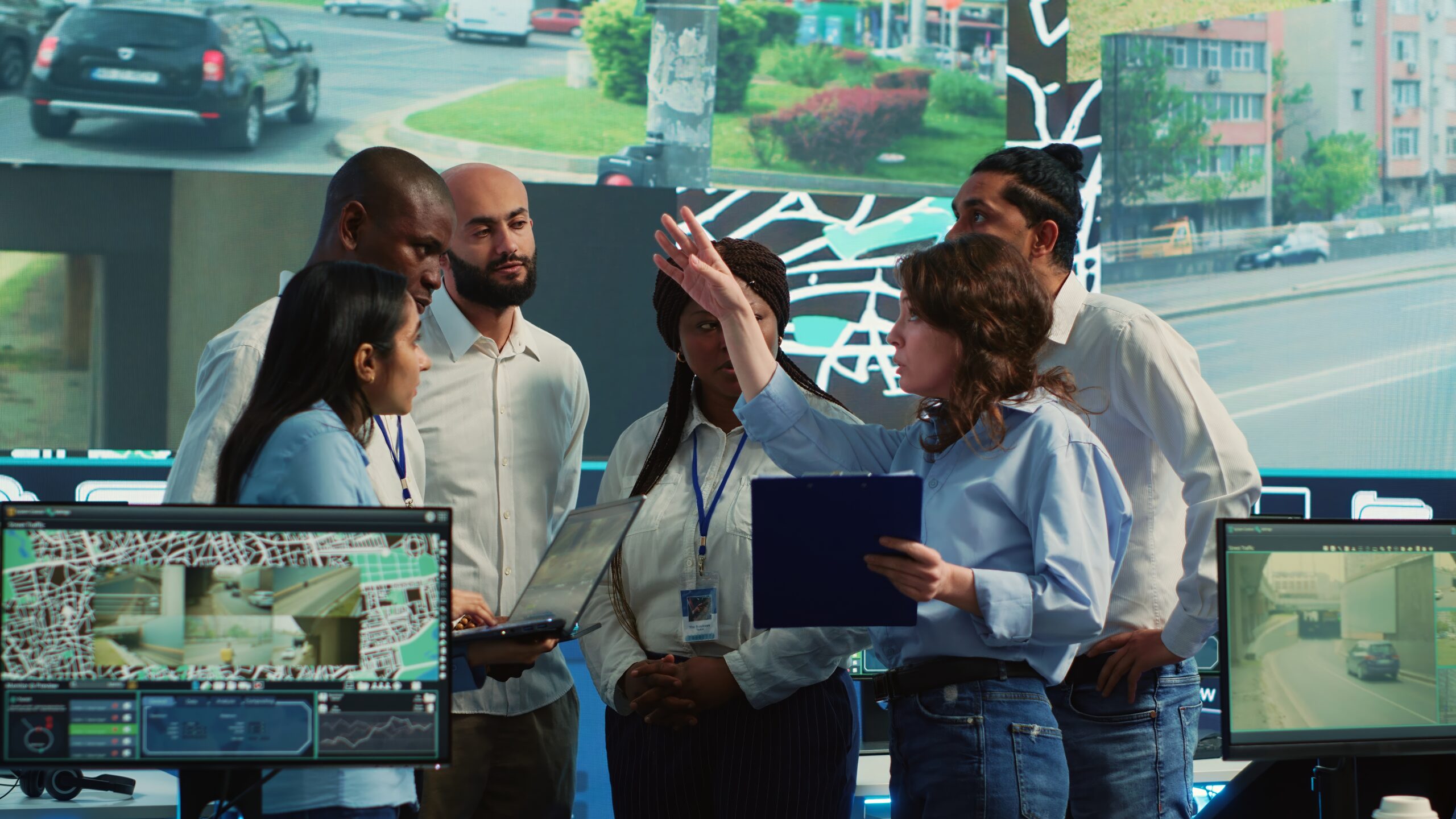
Engineering has long been associated with specialized knowledge and civil engineers design bridges, mechanical engineers build machines and electrical engineers power our devices. But in today’s rapidly changing world, engineering no longer works in isolation. The most impactful innovations are born at the intersection of disciplines. Interdisciplinary skills are now redefining how engineers learn, collaborate and solve problems. For students from the best private college for engineering in Jaipur developing these skills is crucial to staying relevant in the future workforce.
Why Interdisciplinary Skills Matter
Modern engineering problems are complex and often global in scale. Issues like climate change, smart city development, and the electric vehicle revolution cannot be solved by one field alone. Engineers need to work alongside experts in computer science, environmental studies, business, and even the social sciences. This blending of knowledge allows engineers to design solutions that are not only technically sound but also sustainable, cost-effective, and socially responsible.
Key Interdisciplinary Skills Engineers Need
1. Collaboration Across Disciplines
- Engineers must learn to communicate and work effectively with professionals from diverse fields.
- For example, a biomedical engineer working with doctors and software developers can design life-saving medical devices.
2. Systems Thinking
- Instead of focusing only on a single component, engineers need to understand how different systems interact.
- A renewable energy project requires knowledge of electrical engineering, environmental science, economics, and public policy.
3. Digital Literacy
- Engineers across all branches now need basic knowledge of programming, data analysis, and artificial intelligence.
- Skills like Python coding, data visualization, or machine learning are useful even for traditional disciplines like mechanical or civil engineering.
4. Entrepreneurial Mindset
- Understanding business models, market needs, and innovation strategies helps engineers turn ideas into real-world products.
- Many engineering graduates now start their own ventures, combining technical expertise with business acumen.
5. Ethical and Social Awareness
- Technology impacts people and societies, so engineers need to consider ethics, accessibility, and cultural implications.
- An interdisciplinary outlook ensures solutions benefit all sections of society and minimize harm.
Real-World Examples of Interdisciplinary Engineering
- Smart Cities: Civil, electrical, and computer engineers collaborate to design infrastructure supported by IoT, data analytics, and renewable energy.
- Healthcare Technology: Biomedical engineers team up with software engineers to develop AI-driven diagnostic tools.
- Sustainable Packaging: Materials engineers work with environmental scientists and industrial designers to create eco-friendly packaging solutions.
- Autonomous Vehicles: Mechanical, electrical, and software engineers combine efforts to design vehicles that use AI and robotics.
How Students Can Develop Interdisciplinary Skills
- Take Electives Outside Your Core Discipline
Explore courses in computer science, business management, or environmental studies. - Participate in Hackathons and Competitions
These events often bring together students from different disciplines to solve real-world challenges. - Work on Collaborative Projects
Engage in group projects that require diverse expertise, such as robotics teams or renewable energy initiatives. - Internships and Industry Exposure
Real-world internships expose students to cross-functional teams and multi-disciplinary problem-solving. - Stay Curious and Learn Continuously
Read beyond your field, attend workshops, and follow global technological trends.
The Future Outlook
The engineers of tomorrow will not only design machines or software but also shape societies. Employers increasingly value graduates who can adapt, learn across fields, and collaborate effectively. Whether it is developing clean energy, advancing space exploration, or building smarter healthcare systems, interdisciplinary skills will be the key to unlocking innovation.
Conclusion
The boundaries between engineering disciplines are blurring, and the future belongs to those who embrace this change. By developing interdisciplinary skills, students from the top private engineering college in Jaipur can expand their opportunities, contribute to global challenges, and become leaders in innovation. In essence, the future engineer is a specialist and a versatile problem solver who thrives at the intersection of multiple fields.