
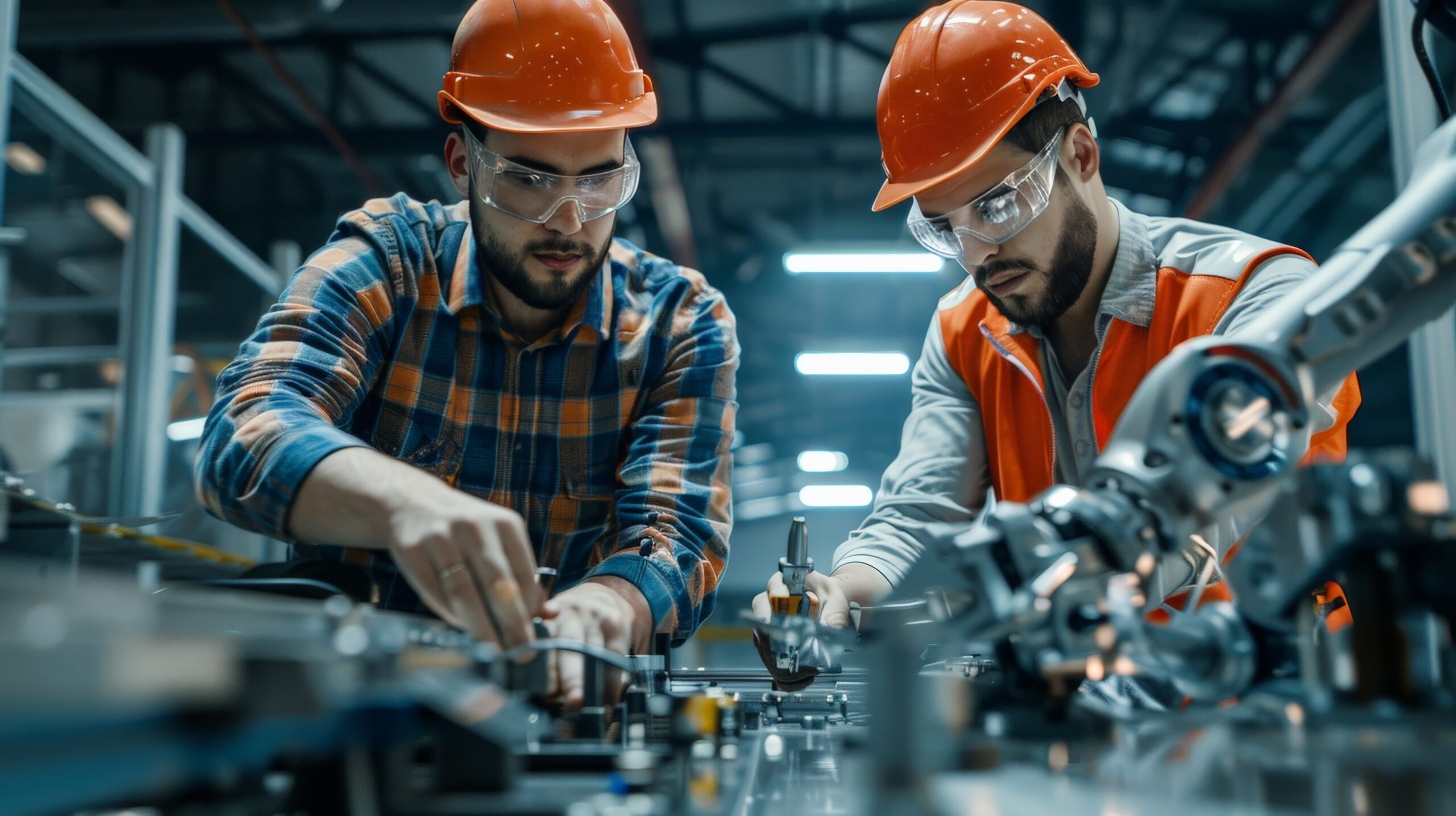
Mechanical engineering has always been the backbone of industrial growth. From steam engines to space exploration this field has continuously evolved by adapting to technological and societal needs. As we move into 2026 mechanical engineering is no longer limited to machines and manufacturing floors. It is becoming smarter, more sustainable and deeply connected with digital technologies. For aspiring engineers from the best private college for mechanical engineering in Jaipur this shift brings both exciting opportunities and new expectations. Understanding upcoming trends early can help students choose the right skills projects and career paths.
Integration of Artificial Intelligence in Mechanical Systems
One of the most impactful trends shaping mechanical engineering in 2026 is the integration of artificial intelligence into mechanical systems. AI is no longer exclusive to computer science or data driven roles. Mechanical engineers are now using AI algorithms to predict machine failures, optimize designs and automate decision making processes in complex systems. Smart manufacturing plants rely on AI powered machines that can self monitor and adjust operations in real time.
For students this means learning how mechanical systems interact with data. Concepts such as predictive maintenance digital twins and machine learning assisted design are becoming part of real world engineering practice. Engineers who understand both mechanics and basic AI tools will have a clear advantage in the job market.
Rise of Smart Manufacturing and Industry 5.0
Industry 4.0 introduced automation and connected machines but 2026 is witnessing the transition towards Industry 5.0 which focuses on collaboration between humans and intelligent machines. Mechanical engineers play a crucial role in designing systems where robots work alongside people safely and efficiently.
Smart manufacturing involves sensors embedded in machines real time data analysis and adaptive production systems. Mechanical engineers are now expected to design equipment that is flexible, energy efficient and capable of customization. For aspiring engineers this trend highlights the importance of understanding automation control systems and human centered design.
Sustainable and Green Engineering Practices
Sustainability is no longer optional in mechanical engineering. Environmental concerns, strict regulations and rising energy costs have pushed industries to rethink how machines and systems are designed. In 2026 mechanical engineers are increasingly involved in developing energy efficient engines, renewable energy systems and eco friendly manufacturing processes.
Designing for sustainability includes reducing material waste, improving thermal efficiency and using recyclable materials. Mechanical engineers working in automotive aerospace and manufacturing sectors are focusing on lowering carbon emissions and improving fuel efficiency. Students who develop a strong understanding of thermodynamics energy systems and sustainable design principles will find themselves aligned with future industry needs.
Advanced Materials and Lightweight Design
Material science is transforming mechanical engineering in powerful ways. The use of advanced composites, smart materials and lightweight alloys is becoming more common across industries. These materials offer higher strength, lower weight and improved durability compared to traditional materials.
In 2026 mechanical engineers are using materials that can respond to temperature stress or electrical input. Lightweight design is especially important in automotive aerospace and robotics industries where performance and efficiency are directly linked to weight. Aspiring engineers should pay attention to material selection processes, testing methods and design optimization techniques to stay relevant.
Additive Manufacturing and Design Freedom
Additive manufacturing also known as 3D printing has moved beyond prototyping and is now used for full scale production. In 2026 mechanical engineers are designing components specifically for additive manufacturing which allows complex geometries that were previously impossible.
This trend encourages creativity and innovation in design. Engineers can reduce part count, improve performance and shorten production cycles. For students learning design for manufacturing now includes understanding additive processes material behavior and post processing techniques. Hands-on experience with CAD and 3D printing tools can significantly enhance employability.
Mechatronics and Interdisciplinary Skill Sets
Mechanical engineering is becoming more interdisciplinary every year. Mechatronics which combines mechanics electronics and control systems is at the heart of modern product development. In 2026 many mechanical engineering roles require knowledge of sensors actuators, microcontrollers and basic programming.
Robotics automation systems and smart devices all rely on this blended skill set. Aspiring engineers should move beyond traditional mechanical subjects and explore electronics embedded systems and control theory. This does not mean replacing core mechanical knowledge but expanding it to work effectively in multidisciplinary teams.
Digital Simulation and Virtual Testing
Physical testing is expensive, time consuming and sometimes risky. Digital simulation tools are transforming how mechanical engineers design and validate systems. In 2026 advanced simulation software allows engineers to test performance stress thermal behavior and fluid flow in virtual environments before building physical prototypes.
Digital twins which are virtual replicas of physical systems are becoming common in industries like manufacturing energy and aerospace. Mechanical engineers use these models to monitor performance and predict failures. Students who gain proficiency in simulation software and understand modeling concepts will be better prepared for modern engineering workflows.
Robotics and Automation Beyond Factories
Robotics is no longer limited to industrial assembly lines. In 2026 robots will be used in healthcare, agriculture construction and disaster response. Mechanical engineers are involved in designing robotic structures, motion systems and actuation mechanisms for these diverse applications.
Soft robotics collaborative robots and autonomous systems are opening new possibilities. This trend emphasizes the need for strong fundamentals in kinematics dynamics and control along with creativity in problem solving. Aspiring engineers interested in robotics should focus on both theoretical understanding and practical experimentation.
Focus on Human Centered and Ergonomic Design
As machines become more integrated into daily life human centered design is gaining importance. Mechanical engineers are increasingly responsible for ensuring that systems are safe, comfortable and intuitive for users. Ergonomics, biomechanics and user experience considerations are influencing product design decisions.
In 2026 this trend is particularly visible in medical devices, consumer products and wearable technology. Engineers must understand how humans interact with machines and design accordingly. For students this highlights the value of observational skills design thinking and an awareness of user needs alongside technical expertise.
Changing Skill Expectations and Career Paths
The role of a mechanical engineer in 2026 is broader and more dynamic than ever before. Employers are looking for engineers who can adapt, learn continuously and collaborate across disciplines. Technical skills remain essential but communication problem solving and systems thinking are equally important.
Aspiring engineers should focus on building a strong foundation while staying open to emerging technologies. Internships, interdisciplinary projects and continuous learning can help bridge the gap between academic knowledge and industry expectations.
Conclusion
Mechanical engineering in 2026 is a blend of tradition and transformation. Core principles like mechanics thermodynamics and materials remain vital but they are now applied in smarter, more sustainable and more connected ways. Aspiring engineers from the top college for mechanical engineering in Jaipur who stay informed about these trends and actively build relevant skills will be well positioned for rewarding careers.
The future of mechanical engineering belongs to those who can think beyond machines and understand systems, data and people together. By embracing these trends early students can shape not just their careers but the future of engineering itself.