
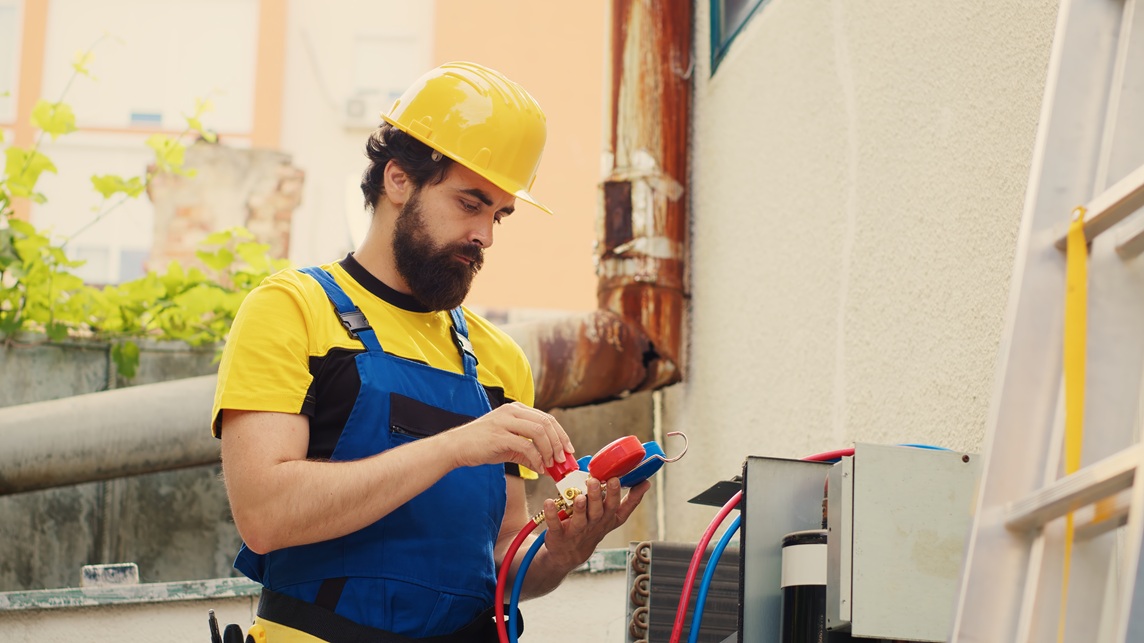
When you walk into a restaurant on a hot afternoon and feel a wave of cool air conditioning, you feel relieved but you probably never stop to think about the network of ducts, pipes, compressors, and control systems quietly working above the ceiling. Yet behind that comfort is a team of professionals who design, calculate, test, and optimize those systems. At the center of it all is the mechanical engineer.
In modern buildings, heating, ventilation, and air conditioning systems are not just about comfort. They are about health, energy efficiency, sustainability, and long term operational reliability. For mechanical engineering students from the best mechanical engineering college in Jaipur, HVAC and building systems offer a career path that blends thermodynamics, fluid mechanics, heat transfer, control systems, and practical problem solving into one dynamic field.
Understanding HVAC and Building Systems
HVAC stands for Heating, Ventilation, and Air Conditioning. It covers systems that regulate indoor temperature, humidity, air quality, and airflow. But in real projects, HVAC does not function in isolation. It interacts with plumbing, fire protection, electrical systems, and building automation systems. This integrated approach is often referred to as building services engineering.
Mechanical engineers are responsible for designing systems that maintain indoor environmental quality while minimizing energy consumption. They must ensure that an office building stays cool during peak summer, that a hospital maintains sterile air conditions, and that a residential complex operates efficiently without excessive power bills. Each building type brings its own technical requirements and constraints.
Applying Core Mechanical Engineering Concepts
HVAC design is essentially applied mechanical engineering. Concepts that students study in thermodynamics and heat transfer become practical tools in real world projects. Engineers calculate heating and cooling loads by analyzing heat gains from sunlight, occupants, lighting, and equipment. They evaluate conduction through walls and roofs, convection within rooms, and radiation effects from external surfaces.
Fluid mechanics plays an equally important role. Air must move through ducts, and water must circulate through chilled water or hot water systems. Engineers calculate pressure drops, select appropriate pumps and fans, and ensure balanced airflow across all zones of a building. A small miscalculation can result in uneven cooling, excessive noise, or wasted energy.
Refrigeration cycles are another fundamental aspect. Whether designing systems based on vapor compression cycles or exploring advanced alternatives, mechanical engineers must understand compressors, condensers, evaporators, and expansion devices in detail. Their decisions influence both system performance and environmental impact.
Designing for Energy Efficiency and Sustainability
Energy consumption in buildings represents a significant portion of global electricity use. HVAC systems are often the largest energy consumers within a building. This places mechanical engineers at the forefront of sustainability efforts.
Engineers analyze different system configurations such as chilled water systems, variable refrigerant flow systems, and air handling units to determine the most energy efficient solution. They incorporate energy recovery systems, optimize insulation levels, and integrate renewable energy technologies when feasible.
Green building rating systems like those established by the U.S. Green Building Council under the LEED framework have further expanded the responsibilities of mechanical engineers. Projects seeking certification must meet strict energy performance and indoor environmental quality standards. Mechanical engineers contribute heavily to energy modeling, system optimization, and compliance documentation.
In addition, modern buildings increasingly use smart sensors and automated controls to reduce energy waste. Mechanical engineers collaborate with control system specialists to implement building automation systems that adjust temperature and airflow based on occupancy patterns. This integration of mechanical design and digital intelligence is shaping the future of building systems.
Ensuring Indoor Air Quality and Human Comfort
Comfort is not simply about temperature. It includes humidity control, air movement, and air cleanliness. Poor ventilation can lead to health issues, reduced productivity, and discomfort among occupants.
Mechanical engineers design ventilation systems that maintain appropriate fresh air levels while filtering pollutants and contaminants. In hospitals and laboratories, they must create pressure differentials to prevent the spread of infections. In commercial spaces, they balance ventilation effectiveness with energy efficiency.
The global focus on indoor air quality has intensified in recent years. Organizations such as the American Society of Heating, Refrigerating and Air-Conditioning Engineers publish standards that guide ventilation rates, thermal comfort criteria, and system performance. Mechanical engineers rely on these guidelines to design safe and compliant systems.
By carefully selecting air filters, designing duct layouts, and calculating airflow patterns, engineers ensure that occupants experience a stable and healthy indoor environment.
Coordination with Multidisciplinary Teams
Building projects are collaborative by nature. Mechanical engineers work alongside architects, structural engineers, electrical engineers, and contractors. Early coordination is critical because HVAC equipment requires space for ducts, pipes, and mechanical rooms.
During the design phase, mechanical engineers review architectural drawings to identify suitable routes for ductwork and piping. They coordinate with structural teams to avoid conflicts with beams and columns. They also ensure that electrical systems can handle the power demands of HVAC equipment.
In large projects, Building Information Modeling plays a key role in coordination. Engineers create digital models of mechanical systems, allowing teams to detect clashes and resolve issues before construction begins. This reduces costly rework and improves project timelines.
Communication skills are just as important as technical expertise. Mechanical engineers must explain complex system designs to clients who may not have a technical background. Clear communication builds trust and ensures that design decisions align with the project’s goals and budget.
Also Read: Role of AI and Electrical Engineers in Smart Home Technology
Installation, Testing, and Commissioning
The role of a mechanical engineer does not end with design drawings. During construction, engineers often review shop drawings, inspect installations, and verify that equipment matches specifications.
Once installation is complete, systems must be tested and commissioned. Commissioning ensures that HVAC systems perform as intended under actual operating conditions. Engineers measure airflow rates, check temperature differentials, test control sequences, and confirm energy performance.
If issues arise, engineers troubleshoot and make adjustments. This hands on involvement provides valuable learning experiences for young engineers. It also reinforces the connection between theoretical design and practical implementation.
Embracing Technological Advancements
The HVAC industry is evolving rapidly. Advanced simulation software allows engineers to perform detailed energy modeling and thermal analysis. Computational tools help predict airflow patterns and optimize system performance.
The integration of Internet of Things technologies into building systems is creating new opportunities. Smart thermostats, occupancy sensors, and predictive maintenance systems are becoming standard features in commercial buildings. Mechanical engineers who understand both traditional HVAC design and modern digital systems are in high demand.
There is also growing interest in low carbon refrigerants and alternative cooling technologies to address climate concerns. Engineers must stay informed about environmental regulations and emerging technologies to design systems that are both efficient and future ready.
Also Read: Why Choose Anand-ICE for Mechanical Engineering in Jaipur?
Career Opportunities and Professional Growth
Mechanical engineers in HVAC and building systems can work in consulting firms, construction companies, manufacturing industries, facility management organizations, or research institutions. Some specialize in design, while others focus on commissioning, energy auditing, or sustainability consulting.
Professional certifications and memberships enhance career growth. Many engineers pursue credentials related to energy management or green building design. Continuous learning is essential because building codes, energy standards, and technologies continue to evolve.
For students, internships in HVAC consulting firms or exposure to real building projects can provide clarity about this career path. It is a field where classroom concepts truly come alive.
Conclusion
The role of mechanical engineers in HVAC and building systems extends far beyond designing air conditioning units. They shape the environments where people live, learn, and work. They balance comfort with efficiency, cost with performance, and innovation with reliability.
For mechanical engineering students from the best mechanical engineering college in Jaipur, this field offers a practical and impactful career. It demands strong technical fundamentals, attention to detail, teamwork, and a commitment to sustainability. The next time you step into a well ventilated, comfortable building, remember that behind that invisible comfort lies careful engineering thought and expertise.
In many ways, HVAC engineering is the silent guardian of modern buildings. It may not always be visible, but it is essential.